

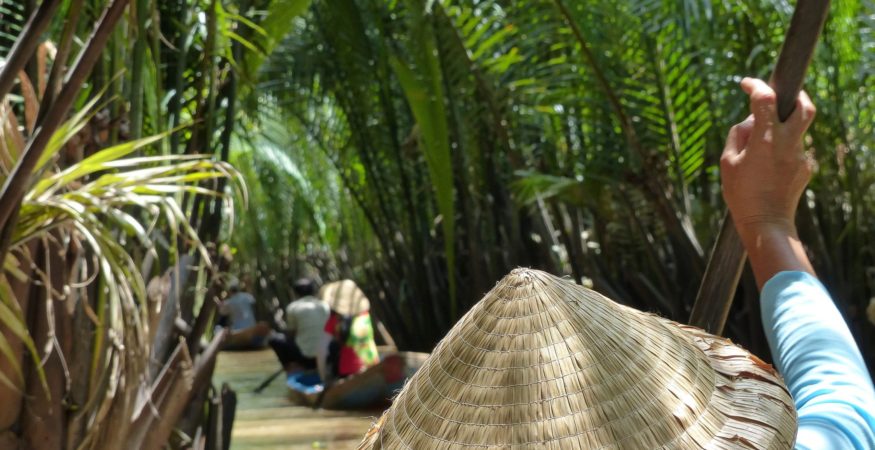
Yes, a Mekong River cruise can be an incredibly rewarding and vibrant destination even during the wet season!
While the term “wet season” can bring to mind the idea that there are non-stop downpours, that typically is not the case. However, before you start packing your bags, be aware that there is a trade-off. The upside is very much the dramatically greener landscapes and far fewer tourists and visitors.
The downside is the high humidity and potential for occasional heavy showers. We can’t guarantee what the weather will be like, as climate change is playing a part in every destination. But for those who are looking for a keen price for this bucket list trip, it is worth having a second look at.
To help you decide whether a wet-season Mekong cruise is for you, this guide will cover all the crucial details:
- Exactly when the wet season is
- What the daily weather conditions are like
- A comprehensive look at the pros and cons of travelling at this time
- Essential advice on what to pack
Plus advice on whether the wet season is a good choice for first-time river cruise travellers.
When Is The Wet Season On The Mekong?
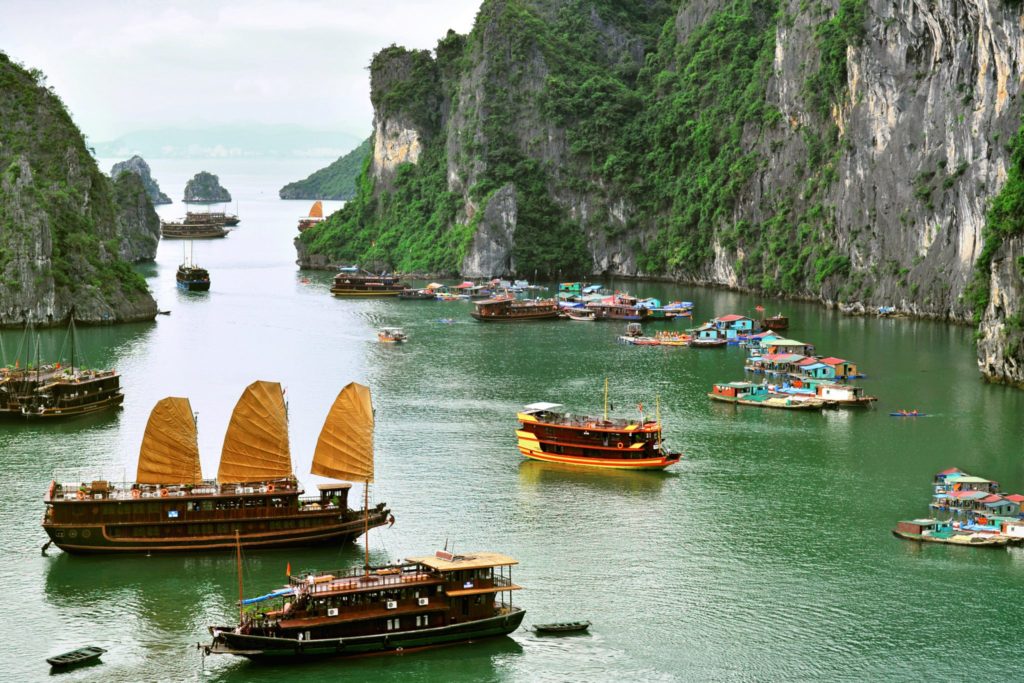
The “wet season” or “high-water” season on the Mekong typically runs from June through October. During these months, the region experiences higher humidity and frequent, often intense, tropical downpours. However, the “wettest” period is usually August and September. Conditions do vary depending on the exact route and itinerary, and some itineraries don’t run at this time due to high water and humidity in those areas.
When Is Wet Season In Vietnam On The Mekong?
The “wet season” in Vietnam on the Mekong is generally referred to as May through to October each year, with the wettest months being August and September. This time has the highest levels of water, humidity and rainfall, leading to lush, green landscapes.
What Is The Difference Between Wet Season And High-Water Season?
Whilst the wet-season is generally May-October, the high-water season lags slightly behind the arrival of the monsoon rains and their absorption into the water system and is a major cruising consideration. The higher water season is generally September through to November, when the river is at its peak depth and is the most navigable time for deeper draft ships.
It is when the Tonle Sap lake in Cambodia is passable by ship, which is often not possible later in the dry season. Pandaw river cruises can sail directly from Ho Chi Minh to Siem Reap, and the “Dolphin Grounds” can be reached to see the endangered Irrawaddy river dolphins.
What Is A Mekong Cruise Like During The Wet Season?
Cruising the Mekong during the wet season offers a distinctly different experience from the drier winter months. In short, think lush scenery, warm temperatures, but higher humidity and short bursts of rain.
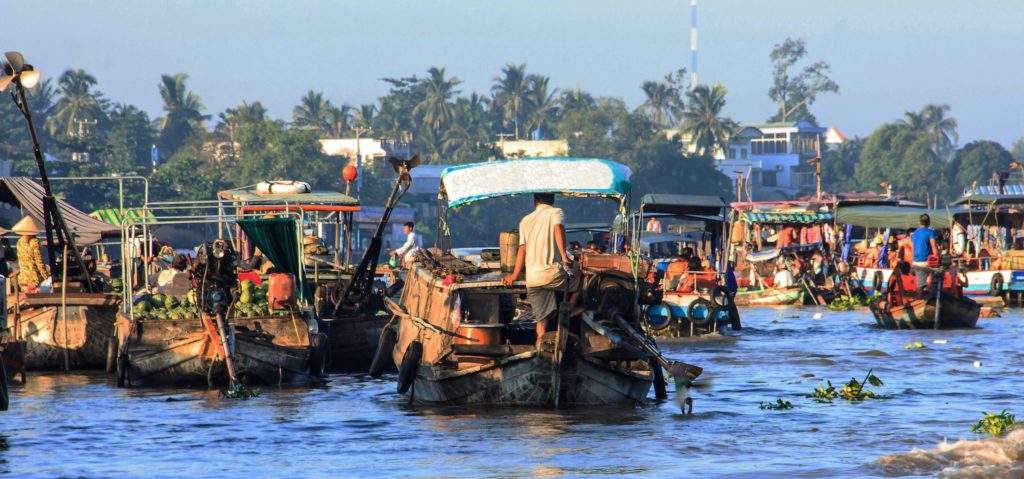
A river delta full of rushing and high water, which allows for a renewal of nature and natural spectacles that can only be seen at this time of year, such as the water lily harvest in August to November, which is a particular highlight. You also have the high water advantage of being able to cruise the Tonle Lake, and fewer crowds everywhere than in the dry season. Think green, full rice paddies and fewer tourists at the floating markets in Cai Rang.
Although there can be frequent downpours, the rain and clouds clear quickly to reveal once again dramatic skies and plentiful photo opportunities. Average daily temperatures typically range from 28 degrees to 33 degrees, and nighttime temperatures remain warm too (24-26 degrees). However, the humidity can make the temperatures feel around 10 degrees higher, especially around midday.
Your Mekong ship becomes a sanctuary from the humidity, the tropical heat and the rain outbursts. You have a front row seat to nature at its best and a way to stay dry with a drink in hand when the rains do come. As a traveller at this time, the higher water means you feel more connected to the passing scenery as the ship sits higher into its surroundings.
Does It Rain All Day During A Mekong Cruise?
No – it doesn’t rain all day during a Mekong cruise. May through to October will often feature downpours of varying lengths, and obviously, it is a lot wetter than the dry season from November onwards.
If you have watched on Channel 5 the Mekong cruise that Jane McDonald did, the filming captured the typical weather for that time – the tail end of the wet season in September. She experienced the warm temperatures, high humidity and occasional sudden rains. The wet season isn’t a “wash out” but more a visually stunning time to visit, where a raincoat will be needed.
What The Scenery And Atmosphere Are Really Like
If you are looking for a serene “picture-perfect” cruise, then the dry season is for you. But cruising at this time of year, when the water is high, is the time when the river and its surroundings are most alive, and the atmosphere is frenetic.
The high water can get you closer to the banks and villages as the river boats can navigate smaller channels and tributaries, and the rice paddies are green and abundant. Skies can also be quite dramatic with the swirling clouds seemingly coming from nowhere, to the downpour, to the calm after the storm, so to speak. The birds and aquatic life will be at their most visible, too.
Think of cranes building nests and fish travelling to mating grounds. This is the Mekong without the crowds, giving its authentic best to the traveller who makes the effort to come during this time of year.
Why Some Travellers Prefer The Wet Season
For us, the wet season (roughly May to October) is not a compromise but a deliberate choice to unlock a different experience. Travellers are met with a transformation: landscapes that are an intense, lush green, giving the entire area a vibrant and rejuvenated feel.
Beyond the scenery, the wet season offers an authentic atmosphere. With fewer tourists present during some periods, particularly at the shoulder seasons, you may find interacting with local communities feels more personal. Additionally, the slightly lower demand will lead to better availability on popular cruise itineraries, offering greater flexibility when planning your trip and undoubtedly a better price than the peak demand months.
Think vivid natural beauty over predictable blue skies (however appealing the blue sky is) and be rewarded with a unique experience enjoyed by the few “in the know”. Yes – humidity is an issue at this time of year, and spending a week in high humidity can be challenging for some, and we would certainly never suggest “slogging through it”; it is a holiday when all is said and done.
But if you are flexible, then the difference in the landscape and comings and goings of the river and the villages you will visit is chalk and cheese.
Who The Wet Season Suits Best
The wet season is suited to the flexible, value-driven, more culturally curious traveller. Someone who views a sudden downpour as part of the authentic tropical experience, not an obstacle. You should definitely be comfortable with heat and humidity, in order to value the dramatic and lush scenery and vibrant river life above guaranteed, uninterrupted sunshine.
If you’d enjoy seeing the Mekong communities at their most active and are happy to adapt to minor schedule shifts for a more immersive journey (and a cheaper cruise), the wet season is definitely a time to consider.
Possible Drawbacks To Know Before You Book
While the wet season offers the reward of lushness and fewer tourists, there are specific factors to consider before you definitely book. The combination of heat and high humidity is constant, especially in the early months of the season. Although the ship can be a sanctuary of cool drinks and welcome air conditioning, onshore excursions will feel more strenuous than during the dry season, simply due to the humidity. Travellers with certain health conditions could find it more uncomfortable.
The frequent downpours will make for muddy paths and slippery surfaces when disembarking or exploring villages, and there will be fewer options for cycling, which will very much depend on day-to-day conditions. Appropriate sturdy footwear will be required rather than sandals in most locations when walking or cycling.
Increased rainfall and lush vegetation are what insects and mosquitoes love best! The Mekong ships are very effective at maintaining a pest-free environment, but whilst on excursions, travellers will need to be vigilant with repellent during shore excursions. There will also be occasional schedule changes due to the weather, so be flexible in the knowledge that the cruise line is doing this for safety and to improve the overall experience at this time of year. Just relax and remember you are in the tropics.
Common Concerns First-Time Travellers Have
First-time travellers often worry about, “Will I be uncomfortable?” We always advise that while in the tropics, heat and humidity are high, the modern Mekong river ships offer air-conditioned comfort and cooled areas, making the nights and cruising time very pleasant.
Another common question is, “Will excursions be disrupted?” Though occasional minor schedule changes happen due to weather, cruise itineraries are designed to operate safely, and disruptions are generally rare and managed professionally.
Operators are also mindful of the conditions and will not be leaving guests out in the heat for hours, and instead tailor timings and visits to maximise the enjoyment, rather than the resilience of the guests!
Lastly, “Will I still enjoy the cruise if it rains?” Absolutely (and if you are British), remember it’s warm rain! The rain often makes the lush landscapes even more dramatic, and you’ll find plenty of covered spaces for relaxation and viewing the spectacular high-water scenery on your ship.
Wet Season vs Dry Season: Which Is Better For A Mekong Cruise?
Deciding between the wet season (May to October) and the dry season (November to April) fundamentally comes down to your personal travel priorities, as neither is objectively “better” for a Mekong cruise.
In terms of scenery, the wet season is defined by intense, vibrant greenery and dramatically high river levels, creating a stunning, expansive waterway ideal for photography. The dry season, in contrast, features lower water levels, more sunshine, and clearer skies, but the landscapes can be drier and dustier.
Regarding comfort, the dry season is cooler and less humid, making onshore excursions easier for heat-sensitive travellers. The wet season brings significant humidity and rainfall, which some find less comfortable, though the downpours are usually short.
Crowd levels, however, are a major differentiator: the peak dry season months (December to February) see the highest tourist numbers, while the wet season often offers fewer crowds, providing a more intimate atmosphere and truer sense of discovery. River communities are also arguably more dynamic during the high water period, the boats can get into the smaller tributaries, and the bird life and aquatic life are more rewarding. You will be rewarded with a very different experience.
Ultimately, if guaranteed sunshine and mild temperatures are your non-negotiables and you don’t mind paying the peak prices, the dry season is superior. If you prefer an immersive atmosphere, dramatic natural beauty, fewer tourists and a cheaper cruise, the wet season is the clear choice for your trip.
Choose Wet Season If…
- You want to see the Mekong Delta and Tonle Sap at their most expansive and vibrant, with lush, green landscapes.
- Want a more immersive experience with the village communities due to potentially fewer tourist crowds.
- Are flexible and comfortable with heat, humidity, and occasional heavy rain showers and understand it’s just part and parcel of being in the tropics.
Choose Dry Season If…
Opt for the dry season if your preferences are:
- Temperatures and humidity are low to moderate, making on-shore excursions consistently comfortable.
- You prefer guaranteed blue skies and minimal risk of rain-related disruptions.
- You prefer predictable travel conditions and don’t mind larger tourist crowds.
- You’re looking for winter sun as well as the cultural aspects of a tour.
What To Pack For A Mekong Cruise In The Wet Season
Packing for the wet season is less about heavy-duty rain gear and more about smart, practical layering to manage heat, humidity, and sudden showers. The most important choice is lightweight, breathable clothing made from natural fibres or modern quick-dry fabrics to handle the high humidity and occasional rain. Leave the jeans at home; they will take too long to dry.
A high-quality, light waterproof layer, which can either be carried in a bag or tied around the waist, is crucial for unexpected downpours during excursions. For walking tours, ensure you have comfortable shoes with grip that you don’t mind getting muddy; this is non-negotiable for slippery surfaces. Make sure you take more than one pair of shoes so that you always have a dry pair to put on. You’ll also need protection from the sun and insects: a wide-brimmed hat, high-factor sunscreen, and effective, long-lasting insect repellent are essential.
Don’t forget to protect your gadgets from moisture and the rain. Bring waterproof protection for your phone and camera, such as dry bags or zip-lock pouches. A small, water-resistant day bag is perfect for carrying these essentials on excursions.
Dress code is generally relaxed during the day while cruising or on shore, favouring comfort. However, note that evenings may still call for smart-casual pieces for dinner and social events, which can vary depending on your specific cruise operator’s guidelines (but is applicable at any time of year).
Prioritise practicality, but don’t forget a few nice outfits for the onboard experience. Remember, everybody’s hair will get frizzy, so there’s no need to worry about looking your best on excursions. Just go with the flow.
Wet Season Packing Checklist
- Quick-Dry Clothing: Lightweight shirts, shorts, and trousers made from fast-drying synthetics or linen is ideal. Ask if there is a laundry service available onboard as this will reduce the amount of clothing you need to take. Top tip: avoid cotton as it takes too long to dry.
- Light Waterproof Jacket: A compact, breathable layer for sudden tropical downpours.
- Sturdy Walking Shoes with Grip: Essential for navigating muddy or slippery excursion paths.
- Extra shoes – so you have something to change into if your footwear becomes wet
- Swimwear: For the onboard pool if there is one, essential during the heat.
- Smart-Casual Evening Wear: For onboard dining and evening events (check your operator’s requirements). We usually recommend the sort of level you would wear to a restaurant normally.
- High-Factor Sunscreen & Hat: Necessary for continuous sun protection, even on cloudy days.
- Effective Insect Repellent: Essential for mosquito bite prevention, particularly at dawn and dusk.
- Waterproof Electronics Protection: Dry bags or zip-lock cases for cameras and phones.
- Reusable Water Bottle: To ensure you stay well-hydrated throughout your trip. Your ship may provide these, but it is recommended to take your own so you have one from your flight onwards throughout the whole trip.
How To Prepare For A Smooth Wet Season Trip
Preparing for a wet season cruise goes beyond packing and focuses on managing expectations and logistics. Firstly, always check visa and travel requirements well in advance, as regulations can change, especially for cross-border cruises between Vietnam and Cambodia. If you have booked through a travel agency such as ourselves, this is something we will be able to advise on and we help with.
Often the visas can be done on the ship as you cross into Cambodia from Vietnam but if you are starting in Cambodia then you will need to complete different paperwork before arriving. It is a well practiced route but things do change, so we’ll make sure you are aware of what you need to do well in advance.
Secondly, mentally allow for tropical weather; accept that high humidity and powerful downpours are part of the landscape’s dramatic appeal, not a sign of a ruined day.
If you are expecting to bring medications with you, again that is something that a travel agency such as ourselves will be able to advise on. It is best to ensure they are in their original, clearly labelled packaging with a copy of the prescription, which aids smooth travel through international borders.
Furthermore, do protect your documents and electronics from moisture by using zip-lock bags or waterproof pouches at all times.
Unlike ocean cruising, river travel and it’s changing seasons and water levels is inherently fluid, and while operators strive for consistency from tour to tour, minor itinerary changes due to river levels or localised weather are sometimes unavoidable.
It is possible to choose the right itinerary and month with specialist advice which hits the sweet spot. The start or end of the season can be drier, and specialists such as ourselves can guide you toward routes best suited to the high-water period, ensuring you get the most out of your wet season Mekong cruise.
Practical Tips Before You Travel
- Confirm all visa requirements for both Vietnam and Cambodia well before departure, particularly for multi-country cruises. Your travel agent will do this for you.
- Take out a bank account that lets its debit card be used overseas rather than relying on your usual bank card. This can help save conversion charges and reduce the price of electronic purchases and taking currency out of a cash machine. It is likely that your ship will be using US Dollars as the onboard currency
- Inform your bank of your travel dates to prevent card freezing and arrange some local currency for smaller purchases.
- Purchase comprehensive travel insurance as soon as you have booked your trip. Make sure that it covers you for cancellation prior to travel and also that it specifically covers medical costs and itinerary changes or interruptions for both Vietnam and Cambodia.
- Download offline maps of cities and a translation app, as reliable Wi-Fi may be intermittent in remote areas.
- Purchase an esim to use in both Vietnam and Cambodia. These are time limited and will work out a lot cheaper than using the data on your phone.
- Consult a travel health professional at least 3 months before your trip for the latest vaccination and prevention advice and to allow any vaccinations you may require to take effect.
Health And Comfort Tips For UK Travellers
UK travellers heading to the Mekong need to be savvy about what makes this area different to the UK and focus on practical strategies for adapting to the heat and tropical conditions. Paramount among these is compensating for the fluid loss due to the heat and humidity and to stay hydrated; always drink plenty of bottled water, even if you don’t feel thirsty so your body can adjust.
Mosquito bite prevention is critical. It’s better to not get bitten than to have to deal with the excruciating bites once they’ve happened. Use repellent consistently, especially at dawn and dusk, and wear lightweight, loose-fitting long sleeves and trousers when possible. Ask your pharmacist if there is a repellent they recommend for this part of the world.
When packing, ensure you bring adequate supplies of any regular medications you require, keeping them in original packaging and easily accessible.
For sun and heat protection, high-factor sunscreen (SPF 30+) is mandatory due to the angle of the sun, along with a good hat and sunglasses. Take regular breaks in the shade during excursions and avoid the midday sun when possible.
Before departing, we strongly encourage our customers to check recommended travel health advice from official UK sources like the NHS’s Fit for Travel or the Foreign, Commonwealth & Development Office (FCDO) for the most current and authoritative guidance. Forewarned is always forearmed.
Mosquitoes, Heat And Humidity: What To Expect
You should expect significant heat and high humidity throughout the wet season, meaning you will sweat more freely. This is the nature of the tropics. Mosquito activity is certainly higher due to the moisture, but bites are manageable with proper prevention, such as using effective repellent and wearing long sleeve and long legged clothing during peak hours.
The modern, premium river cruise ships used on the Mekong are well-sealed and air-conditioned, offering a cool, mosquito-free refuge when you return from excursions. Just be diligent with your repellent applications and take some anti-itch medication just in case.
Is The Wet Season A Good Choice For First-Time Mekong Travellers?
The wet season can be a great choice for first-time Mekong travellers who come prepared and ready for the humidity and the heat, who want to prioritise a much more immersive experience with a bustling atmosphere and the natural world at its full-on best.
The delta region is stunningly beautiful during this time, with vivid, high-water landscapes that offer unforgettable scenery and bountiful produce. They will witness the local life in the delta communities fully adapting to the water’s new found pace
However, the wet season may be less suitable for first-time travellers who are highly sensitive to heat and humidity, or those who are looking for uninterrupted, sunny days as an escape from the European winter with zero risk of itinerary changes. If your main concern is maximum comfort, sun and predictability, a drier time of year might be preferable.
Ultimately, the choice is entirely personal: if the idea of dramatic scenery, authentic local interactions, and lower crowd levels appeals, the wet season offers a spectacular entry point to Mekong cruising.
Our View: When Wet Season Makes Sense
We believe the wet season absolutely makes sense when you are seeking the Mekong in its most vibrant and authentic state. The Mekong is a fascinating place at any time but the wet season gives it a very different feel.
If you are prepared to embrace the tropical climate, your reward will be spectacular flooded rice paddies, dynamic river life, and fewer crowds. It’s the ideal choice for the traveller who values atmospheric depth and dramatic photography over the guaranteed ease of peak season travel and its higher prices.
If you are still not convinced, then go for the shoulder season when the water levels are high but the humidity is starting to come down.
Frequently Asked Questions About The Mekong Wet Season
When Is Wet Season In Vietnam On The Mekong?
The wet season in general runs from May through to October. While specific timings vary, the peak for heavy rainfall is mostly between July and September. This is when the Mekong Delta experiences its highest water levels, along with an increase in humidity and heat.
Does It Rain All Day During The Wet Season?
No, all-day rain is rare in the Mekong Delta. Rainfall usually takes the form of short, heavy, tropical downpours, often concentrated in the late afternoon, lasting only an hour or two. Although powerful whilst they last, they clear quickly, ensuring there are still ample time for cruising and enjoying shore excursions.
Is Wet Season A Bad Time For A Mekong Cruise?
Not at all. It’s a great choice for travellers who want to see greenery, fewer crowds, and take advantage of the higher water levels that open up access to smaller waterways and villages of the lesser known Mekong. It is only less suitable if you are highly averse to the idea of higher heat and humidity, or the potential for muddy ground on some excursions.
What Should I Pack For A Mekong Cruise in the Rainy Season?
The focus has to be lightweight, breathable, and quick-drying clothing. Leave cotton t-shirts and jeans at home as they won’t dry out quickly. Essential gear includes comfortable, water-resistant shoes with reliable grip, a light waterproof jacket, sunhat and effective insect repellent. Always remember protective covers for your electronics to protect from moisture and strong sun protection.
Are Mosquitoes Worse During The Wet Season?
Yes. Mosquito activity is generally higher due to the increase in standing water, which is typical of a tropical rainy season. However, the risk can be managed easily through proactive steps like applying quality repellent and wearing light, long sleeved tops and long trousers especially around sunrise and sunset.
Can Mekong Cruises Still Run During the Wet Season?
Yes, Mekong cruises operate reliably year-round, but not all luxury operators choose to do so as demand is not as high from their international clientele. High water levels are often a distinct advantage, allowing some vessels to navigate channels that may be inaccessible during the dry season. Operators that offer cruises all year round are experienced at safely managing any minor itinerary adjustments due to weather.
Speak To A Mekong Cruise Specialist
Of course, the best time to take a Mekong cruise, and the ideal itinerary, is a deeply personal decision that relies entirely on your comfort preferences, your availability and what you hope to see. Whether you want to fit in the bucket list, comprehensive Vietnam and Cambodia route or perhaps a shorter, dedicated journey, your chosen travel style and tolerance for heat or crowds will dictate the perfect month.
We understand the nuances of the wet and dry seasons across different luxury, essential, elegant or traditional operators and routes. We invite you to speak directly to us as a Mekong specialist river cruise travel agency. Using only our chosen and trusted operators, we are able to offer tailored, non-sales-led guidance to ensure you choose the itinerary and season that perfectly aligns with your dream Mekong trip. Get in touch today.

Share:
About Adam Budd
View all posts by Adam Budd