

The Mekong River is a tapestry of life, winding past ancient temples, vibrant floating markets, and quiet riverside villages that showcase the rich cultural heart of Southeast Asia. Planning your journey requires more than just picking a date; the best time to cruise depends on what you value most, including the weather (the temperature and rainfall frequency), the water’s depth, the scenery you seek, and your tolerance for crowds.
Understanding the differences between the four Mekong river cruise seasons is key. Whether you prioritise comfortable sightseeing or lush, high-water landscapes, the ideal time is unique to your travel preferences. That’s where we at Global River Cruising come in! With our help, you will be able to confidently choose the right itinerary and operator, ensuring your experience on the Mekong is what you were hoping for.
Mekong River Cruise Seasons at a Glance
| Season | Typical Months | Best For | Things To Consider |
| Winter | December– February | Cooler, much drier, sunnier weather and comfortable sightseeing | Peak demand and higher fares |
| Spring | March–May | Fewer crowds and potential value, lower prices | Hotter, more humid conditions which are more uncomfortable for sightseeing |
| Summer | June–August | Lush scenery and atmospheric river views | Tropical showers and itinerary flexibility |
| Autumn | September–November | High-water landscapes and transition into peak season. A time that sees lower prices than peak, but can offer both lush scenery and less humidity than the summer months | River levels and conditions can vary but there is usually enough water to make travel by ship over Tonle Sap lake rather than overland which is longer |
It is important to note that the seasons on the Mekong don’t align with what we in the UK expect from winter, spring, summer, and autumn. The region can be discussed in terms of its dry and wet seasons, but for travel planning, our guide separates the year into four seasonal windows. Ultimately, there is no single “best” season which suits everyone, as the ideal time depends entirely on your preferences for weather, crowds, and scenery.
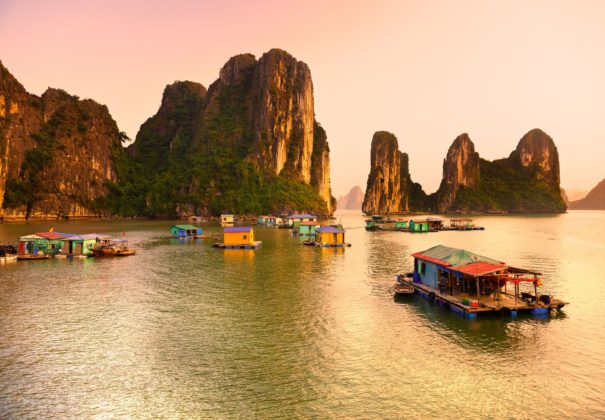
Mekong Winter Cruise: Cooler Days And Peak-Season Comfort
The winter months mark what is typically one of the most popular and enjoyable periods for cruising the Mekong River. This season is particularly appealing to us here in the UK as it offers a welcome escape from the cold, the damp and the dark.
Instead of Europe’s harsh winter conditions, you can expect pleasantly warm temperatures, low humidity, and mostly dry days, making excursions and sightseeing comfortable. The stability and comfort mean winter is especially suitable for first-time Mekong cruisers who will get a smoother introduction to the region.
The appeal is abundantly clear, but as such, demand is high. Winter is ideal for:
- First-time visitors to Vietnam and Cambodia. The stable conditions of cooler, drier weather make sightseeing more enjoyable. This period is recommended for those trying the region for the first time who aren’t sure how they will get on in the heat to guarantee a reliable and hassle-free experience.
- Anniversary or milestone travellers. Who wouldn’t want to travel when the weather is warm, sunny and dry? If you are planning a big occasion, the more favourable weather provides the sort of reliability you’d be looking for.
- Travellers who prefer lower humidity. Humidity, whether it bothers you unduly or not, makes travelling more tiring. With significantly lower humidity and mostly dry days, excursions will be more comfortable and less demanding than in other seasons. This predictability means a more enjoyable time spent exploring cultural and historic sites.
- Travellers who want a smoother introduction to Asia. The weather at this time of year means a reliable, hassle-free experience is probably what you are going to get. A way to enjoy all that Asia has to offer without having to deal with climate variations and sodden clothing.
However, choosing a winter cruise does involve a few trade-offs due to its popularity. You should expect:
- Higher demand across all operators. The appeal of comfortably warm, dry, and sunny weather drives this peak demand. There’s no sugar coating this; it is when the operators are charging the highest prices – supply and demand.
- Earlier booking is strongly recommended to secure your spot. Securing your place as soon as you can is essential, especially if you have specific travel dates in mind. Without early planning, you risk having to settle for less preferred ships or itineraries. Operators also tend to put some really good offers into the marketplace when they first launch, too. Seasons can be put on sale up to 2 years before travel, so thinking ahead does pay off.
- Potentially higher fares compared to other seasons. We’d all like to pay less for our holidays, but lower prices usually are there for a reason. In the peak winter season, there are only a small number of ships at this time. If you have a fixed budget but want a higher standard of accommodation, then looking outside the peak season would be our advice.
- The most popular ships and cabin grades sell out faster. This is particularly true for premium cabin grades, such as balcony suites, which are the most popular. If you want a specific ship or a top-tier cabin, you need to move quickly to avoid disappointment.
If you want the comfortable, drier conditions and don’t mind planning ahead, winter offers the quintessential Mekong river cruise experience that is the right one for you.
Who Is A Mekong Winter Cruise Best For?
A winter cruise is primarily suited for those seeking the most comfortable travel conditions. above all else. With drier, cooler weather and low humidity, it’s undoubtedly the most comfortable period for excursions. It is especially recommended for first-time Mekong cruisers and Asian travellers who don’t know what it is like to travel in high humidity.
Those who want a reliable experience, even if it means accepting the potentially higher fares that come with peak demand. If this is a bucket list journey for you, it would be our recommendation.
Mekong Spring Cruise: Warmer Weather And Quieter Travel
When the Mekong Delta moves into spring, the climate becomes noticeably warmer, with the days growing hotter and more humid, especially in the later months of the season (March–May). However, spring should be embraced as a rewarding opportunity rather than being a compromise. It definitely offers a quieter and potentially better-value (yes, cheaper) experience. For those who want to go down this route, you won’t be disappointed.
The benefits of choosing a spring departure include:
- Fewer crowds compared to the peak winter season. You’ll be getting that “off the beaten track” feeling when you travel at this time of year. People will also have more time to stop and chat, and the temples will be quieter.
- Potentially better availability on popular itineraries. There will be spaces in the luxury ships, and there may well be a few bargains to be had. Everything you have come to the Mekong to visit will be the same, except there will be fewer people and (more) humidity.
- Possible value on selected departures for budget-conscious travellers. There will definitely be a price difference between the peak season and the off-season. Operators will be charging less, and flight prices will also be lower. How much lower is hard to say. Only you can then decide whether the price is now enticing enough to take the plunge on booking in more of the off-season.
- A more relaxed and intimate travel atmosphere. The main consideration is managing the increased heat, which can make longer excursions feel more demanding. Let’s look at addressing this with some smart planning and preparation.
We recommend the following practical steps for a comfortable spring cruise:
- Choose a comfortable excursion pace that allows for breaks. Operators that are used to dealing with Western travellers will make this a priority. They will schedule visits to coincide with the most favourable conditions – perhaps early morning and late evening temple visits, with the heat of midday being spent onboard the ship or travelling to the next destination.
- A holiday wardrobe for this type of trip means ditching the jeans and heavy cotton t-shirts and jumpers that would still be worn on a warm day in the UK. These will all absorb too much water and be hard to dry, as well as being uncomfortable to wear. Linen is the ideal fabric, but also some sweat-resistant sports clothing could work well.
- Consider your ship and cabin location, as high-quality air conditioning and facilities are key; the newer the ship, the better quality the air conditioning should be. Air-conditioning is a must at all times of the year. We can help you look at location and available cabin numbers with all of the suppliers we are happy to recommend. Specialist advice is particularly useful during this season for matching the right ship and itinerary to your personal comfort level, ensuring you get the most out of your warmer journey.
- Plan for early starts for major sightseeing to beat the mid-day heat. Planning to get up early on holiday never sounds that appealing. But when the reward is a sunrise over the Angkor Temples or the bustle of life along the river (let’s not forget this is the best time for the locals to be out and about, too) is worth the early alarm.
Is Spring Too Hot For A Mekong Cruise?
Spring can certainly be very hot, especially as the season progresses, but I would not rule it out automatically for the Mekong. Many travellers find the heat manageable and see it as a worthy trade-off for the reduced crowds and potential value. Spring is, however, best suited to guests who are naturally comfortable in the hotter conditions and prefer a quieter, more relaxed travel experience away from the peak winter months.
Spring in the region is technically the lead-up to the monsoon season. The temperatures in March and April frequently climb in the mid-to-high 30s, which can be very physically draining while visiting places such as the Angkor Temples
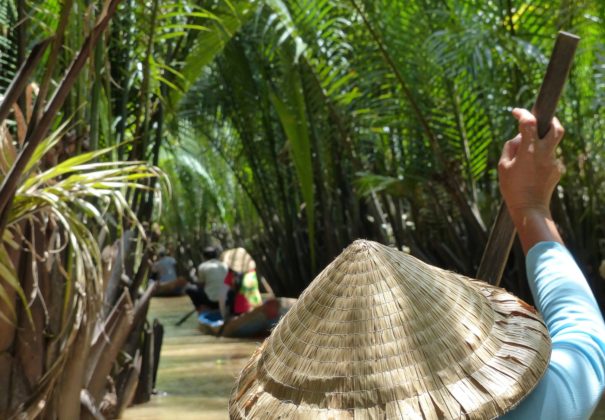
Mekong Summer Cruise: Lush Landscapes And Tropical Showers
The summer months (June-August) are the region’s wetter season. While this can sound a bit off-putting, a summer cruise offers a highly scenic, atmospheric, and ultimately rewarding experience for the heat-happy, flexible traveller.
It is important to remember that the rain typically arrives as intense but also refreshing tropical showers, rather than continuous all-day disruption. These summer downpours are thankfully usually brief and quickly followed by sunshine.
Choosing summer offers distinct benefits:
- The landscapes are at their greenest and most vibrant. The primary advantage of travelling during the wet season is the lush and vibrant landscape. The smaller waterways are passable as well as Tonle Sap Lake, which makes for a shorter transfer time than in the dry season, where an extra 4 hours by road might be needed.
- The skies are atmospheric, creating dramatic scenery. Rather than wall-to-wall blue sky, the changing clouds offer a backdrop unique to this time of year.
- The river is fuller, offering spectacular views from the ship. Faster flowing water and the wildlife it attracts are unique to this time of year.
- Travel periods are generally quieter, with possibly better value fares.
I would always consider going at this time of year due to the intensity of the river, the landscapes, and the fact that you can do more with your budget. Upgrade your ship or extend your holiday by a few days with the same money.
There are, however, a few considerations that come with this season:
- Humidity levels are much higher than in the dry season, which is why it has lower prices than the peak winter months.
- Expect tropical downpours and be prepared for the rain. But this isn’t rain as we know it in the UK. Warm, refreshing rain, which you can usually watch from a dry vantage point rather than being stuck outside in a downpour.
- There is a greater need for itinerary flexibility, but this will be done for you by your operator, who has the experience to know how to make a summer season cruise work well.
- Excursions may need to be adjusted or rescheduled due to sudden weather or river conditions. Again, the Cruise Director onboard your ship will be working with the navigation team on the ship to ensure the optimal and safest journey for everyone.
Ultimately, summer is a good option for:
- Repeat travellers who have already been to the Mekong and loved it, but would like to see a new perspective.
- If you are the kind of traveller who sees your holiday to South East Asia as a bit of an adventure and can handle last-minute changes.
- Keen photographers who are looking to go at the time which is peak for the area’s most dramatic light and scenery.
- Travellers who want the more dramatic, lush scenery over perfectly predictable weather.
Is Summer A Bad Time For A Mekong Cruise?
No, summer is not a bad time for a Mekong cruise, but success depends entirely on setting the right expectations. While you will experience higher humidity and frequent tropical rain showers, the trade-off is quieter, better value travel and stunning, lush landscapes.
This season will suit flexible travellers who are happy with humidity, and do not mind the occasional itinerary adjustment due to high water or weather conditions and see it as part of the adventure.
Mekong Autumn Cruise: High Water, Vivid Scenery And Changing Conditions
Autumn (September–November) is a significant season of change on the Mekong River. It serves as a transition between the wet season and the popular dry season. It offers a varied and rewarding experience, making it a highly desirable time for travel.
During early autumn, the river can still feel lush and be at its high-water mark, resulting in vast, flooded landscapes. As the season progresses into November, conditions generally begin to dry out and move towards the cooler, busier winter months.
September is viewed as the lush transition from wet to dry. It’s the tail end of the monsoon season, but there will still be brief tropical showers. Choose this month if you want lush scenery and potentially lower prices.
October, however, can be viewed as a sweeter spot than September. The rains have decreased significantly, but the river levels are now high. Temperatures are becoming more manageable, and the scenery is still at its lushest.
November, however, is the start of the cool and dry season. This is when the weather is at its most comfortable, sightseeing is at its most enjoyable and less physically demanding, and the weather is at its most predictable, with mainly clear blue skies. This is when the prices are at their highest, however, to reflect the higher demand for this period.
However, on the face of it, Autumn can seem like the sweet spot due to its potential blend of comfort, scenery and accessibility; perhaps it offers the most balance of any time of year. But the months can vary a lot, and we’d strongly recommend a detailed discussion before plumping for one month over another purely on price considerations. Why would the end of October be better than the start of November or the end of November, for example?
Is Autumn Good For Tonlé Sap Lake?
Autumn is often a good time for Tonlé Sap Lake access because the high-water period typically results in deeper, more navigable channels. However, access is always dependent on the year’s specific seasonal river conditions, and it should never be guaranteed.
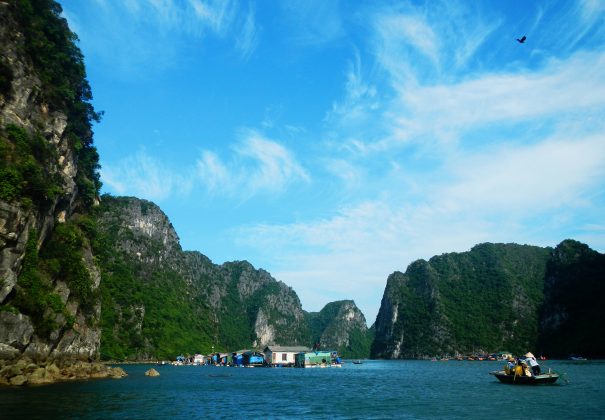
Tonlé Sap is unique due to its size and depth varying dramatically with the seasons and the monsoon. However, in the Autumn it is usual to be able to cruise through the famous “floating villages” where entire communities live on the water, and the higher water levels bring them to life in a truly amazing way.
Travellers who want to experience Tonlé Sap should carefully check the itinerary details and discuss the likely access conditions with a specialist before confirming their booking.
Which Mekong River Cruise Season Is Best For You?
The best Mekong river cruise season is the one that aligns perfectly with your individual travel style and priorities. Use this quick guide to determine which period is the right fit for your needs:
- Best For Comfortable Sightseeing: Winter
- Best For First-Time Mekong Cruisers: Winter or late autumn
- Best For Fewer Crowds: Spring or summer
- Best For Lush Scenery: Summer or early autumn
- Best For High-Water Atmosphere: Autumn
- Best For Potential Value: Spring or summer
- Best For Flexible Travellers: Summer or early autumn
There is no definitive ‘best’ answer for everyone. The final decision depends on several key factors, including your preferred pace of travel, your tolerance for heat, your budget, the type of scenery you want to witness, and whether you are seeking a classic, comfortable journey or a more atmospheric experience.
We strongly encourage you to speak with one of our specialists before you choose your departure date. Their insights can help clarify the nuances between operators and itineraries across the different seasons.
Expert Tips Before Choosing Your Mekong Cruise Season
Choosing the right time for your cruise involves more than just looking at a weather chart. Our years of experience on the Mekong have led to these practical, experience-led tips to ensure your planning is comprehensive:
- Book winter departures early: As the most popular time, cabins, especially premium grades, sell out quickly. Secure your place as soon as you can.
- Plan pre- and post-cruise stays: Consider extending your trip with stays in key locations like Siem Reap, Ho Chi Minh City, Hanoi, or Phnom Penh for deeper immersion.
- Ask about itinerary direction: Find out if travelling northbound or southbound might better suit your travel style and pacing preferences.
- Verify Tonlé Sap Lake access: Check explicitly whether access to the lake is included in your specific itinerary or if it is heavily season-dependent.
- Consider excursion pace in hotter months: If travelling in spring or summer, ensure your itinerary’s daily schedule allows for comfortable pacing and shaded breaks.
- Choose your operator carefully: Ship style, the level of all-inclusive inclusions, and the quality of guiding can vary significantly between cruise lines.
- Remember value vs. fit: The season offering the best financial value is not always the best fit for your comfort and travel goals. Prioritise fit over budget for this kind of trip.
Speak To A Mekong River Cruise Specialist
Choosing the right Mekong river cruise season depends on how you like to travel. While weather is a factor, the decision involves comparing different operators, varying river levels, and matching the itinerary to your desired pace.
As an independent river cruising travel agency, Global River Cruising offers impartial advice across multiple river cruise operators. We focus on tailored planning and expert consultation to help you find the perfect fit.
When you book with us, you benefit from:
- Tailored planning and independent advice
- Expert consultation at every stage
- No booking fees
- The same price as booking direct
Our river cruise specialists can help compare operators, routes, and departure dates, so your holiday feels tailored from the very beginning. Get in touch today to start planning your perfect journey.
FAQs
Discover some of the most commonly asked questions regarding Mekong River seasons.
What Is The Best Season For A Mekong River Cruise?
There is no single best season, as it depends on your priorities. Winter (December–February) is generally considered best for maximum comfort, offering cooler, drier weather. Conversely, summer and autumn are ideal for travellers who prioritise lush, high-water scenery and a more atmospheric journey.
Is A Mekong Winter Cruise Worth It?
Yes, a winter cruise is highly recommended for its exceptional comfort. It brings drier weather and lower humidity, which makes sightseeing and longer excursions much more enjoyable and less demanding, justifying the higher peak-season prices.
Is Spring Too Hot For A Mekong Cruise?
Spring can bring much hotter, more humid conditions, especially from March to May, but it is not too hot for everyone. It is a great time to travel if you tolerate heat well and want a quieter experience with fewer crowds and the potential for better value fares.
Can You Take A Mekong Summer Cruise?
Absolutely, you can take a summer cruise, although it overlaps with the wetter season. Expect higher humidity and frequent tropical showers, which are often brief. The payoff is stunningly lush, green landscapes and atmospheric river views.
What Is A Mekong Autumn Cruise Like?
An autumn cruise is a varied transition period with changing conditions. You can expect vivid scenery, high-water conditions that create a unique atmosphere, and a gradual shift towards drier weather as the season progresses into November.
Does The Season Affect Tonlé Sap Lake Access?
Yes, the season significantly affects Tonlé Sap Lake access. Higher water levels, typically found in autumn, can improve navigability to the lake. However, water conditions are variable and this can happen at any point of the year, so you must check your itinerary details with a specialist before booking to confirm access. However, due to climate change, access to Tonlé Sap Lake can never be guaranteed.

Share:
About Adam Budd
View all posts by Adam Budd